
Table of Contents
- Introduction
- What Is Normal Age-Related Memory Loss
- How Is Normal ageing Different From Dementia
- What Causes Memory Problems as You Get Older
- What Are the Early Signs of Dementia
- When Should You Seek Support for Memory Loss
- How Can Families Support Someone With Memory Changes
- Bottom Line
- Frequently Asked Questions
Age-related memory loss can be a normal part of getting older when occasional forgetfulness does not interfere with daily life or independence. Forgetting a name, misplacing an item, or taking longer to recall information can happen with normal ageing, while dementia causes more significant and progressive changes in memory, thinking, communication, or everyday activities. If memory problems become frequent, worsen over time, or affect familiar tasks, it is important to seek professional support.
Introduction
Memory changes can become more noticeable as people get older. Forgetting a name or misplacing something occasionally may not be a serious concern. However, frequent memory problems can sometimes point to a deeper issue. This can make it difficult for families to know what is normal and what is not. Age related memory loss can affect how someone remembers information and daily experiences. Understanding these changes can help families respond with patience and care. It can also help you recognize when professional support may be needed.
What Is Normal Age-Related Memory Loss
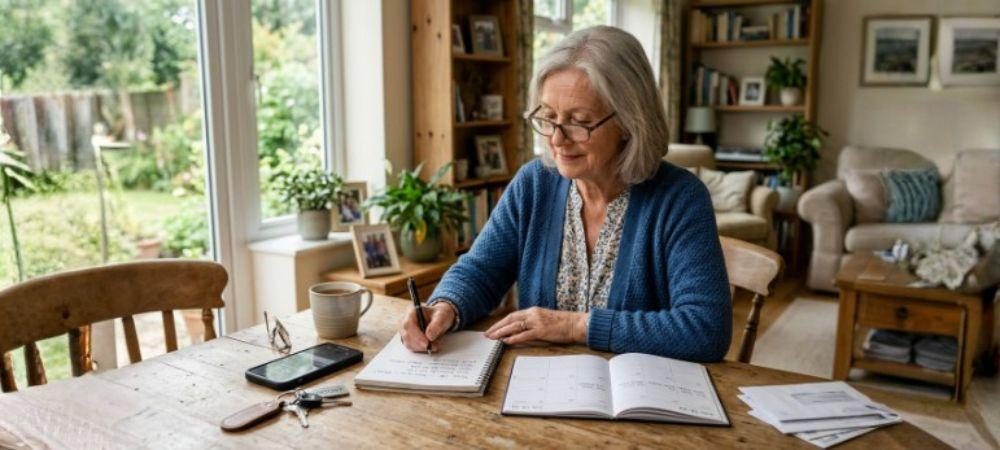
Age-related memory loss can involve occasional difficulty remembering names, appointments, or where you placed an item. These changes are often mild and do not usually interfere with daily responsibilities or independence. You may remember forgotten information later or use calendars and notes to stay organised. However, memory problems that become frequent, worsen over time, or interfere with familiar tasks deserve attention. There is no specific age of senility when memory loss is expected to begin. Ageing alone does not cause dementia, and significant cognitive changes should be discussed with a healthcare professional to identify possible causes and appropriate support.
How Is Normal ageing Different From Dementia
Understanding the difference between ageing memory loss and dementia can help families recognize when memory changes may need attention. Occasional forgetfulness can happen with normal ageing, while dementia involves more noticeable changes that affect memory, communication, judgment, or daily activities.
| Normal ageing | Possible dementia-related changes |
|---|---|
| Occasionally forgetting a name | Frequently forgetting familiar names |
| Misplacing items sometimes | Regularly losing important belongings |
| Forgetting an appointment occasionally | Frequently missing appointments |
| Taking longer to learn something new | Struggling with familiar tasks |
This normal ageing vs dementia chart is only a general guide and cannot diagnose dementia. Home care for elderly loved ones can provide practical support when memory changes begin affecting everyday routines.
What Causes Memory Problems as You Get Older
There are many possible causes of short term memory problems, and normal ageing is only one factor. Sleep difficulties, stress, depression, certain medications, vitamin deficiencies, and other health conditions may also affect memory and concentration. For this reason, age associated memory loss should not automatically be considered an unavoidable part of getting older.
Common factors that may contribute to memory problems include:
- Poor sleep can make it harder to concentrate and remember recent information.
- Stress or low mood may interfere with attention and recall.
- Some medications can cause confusion or memory changes as a side effect.
- Nutritional deficiencies and certain health conditions may also affect memory.
If short term memory loss in seniors becomes frequent, worsens, or affects daily activities, speaking with a healthcare professional can help identify the possible cause.
What Are the Early Signs of Dementia
The signs of early onset dementia in the 50s may be mistaken for stress, tiredness, or a busy routine. Warning signs can include:
- Repeatedly asking the same questions or forgetting recent conversations.
- Struggling with familiar tasks, appointments, money, or directions.
- Having increasing difficulty finding familiar words or following conversations.
- Showing unusual changes in judgment, mood, or behaviour.
Consider professional advice when memory changes become persistent, worsen over time, or interfere with daily activities. Is short term memory loss a sign of dementia? It can be, but memory problems may also have other causes.Families may also search for signs of senility in seniors, but “senility” is not a specific medical diagnosis. Noticeable changes that interfere with everyday life should be discussed with a healthcare professional. Following tips for caregivers of dementia, such as maintaining routines and offering patient support, can also help families respond appropriately.
When Should You Seek Support for Memory Loss
Look for changes such as:
- Difficulty manageing money, medication, or familiar tasks.
- Trouble navigating places that were once familiar.
- Repeatedly forgetting recent conversations or important appointments.
- Noticeable changes in judgment, communication, or behaviour.
Before an appointment, write down when the changes started and what you have noticed. If dementia is diagnosed, learning about the stages of Dementia can help families understand how a person’s needs may change over time.
How Can Families Support Someone With Memory Changes
Supporting someone with memory changes requires patience, consistency, and understanding. Keeping belongings in familiar places, using calendars and written reminders, and following regular routines can make daily activities easier. Meaningful activities such as looking through photographs, listening to familiar music, preparing a meal together, or taking a short walk can provide comfort and structure.
Families should also make time for their own needs because caregiving can become demanding as a person’s needs increase. Professional alzheimer's and dementia care can provide helpful assistance with personal care, meals, medication reminders, companionship, daily routines, and supervision when appropriate.

Bottom Line
Age-related memory loss does not always mean dementia. Occasional forgetfulness can happen with ageing, but memory changes that become frequent, worsen over time, or affect everyday activities should not be ignored. Understanding these changes can help families recognize when a loved one may need extra support and professional advice. If manageing daily routines becomes difficult, True Homecare can provide compassionate home care tailored to your loved one’s individual needs. Our care can support daily routines while helping individuals remain comfortable and independent in familiar surroundings.
Frequently Asked Questions
What is normal age-related memory loss?
Normal age-related memory loss usually involves occasional forgetfulness without major disruption to everyday life. You may forget a person's name, misplace an item, or need extra time to remember something. You can usually continue handling familiar activities and responsibilities. A pattern of worsening memory problems is more concerning than an occasional lapse.
Is age-related memory loss the same as dementia?
No, age-related memory loss is not the same as dementia. Normal ageing can involve occasional forgetfulness, while dementia can cause significant changes in memory, reasoning, communication, judgment, and independence. The difference often becomes clearer when memory problems begin interfering with everyday activities. Persistent changes should be discussed with a healthcare professional.
Is short term memory loss a sign of dementia?
Short-term memory loss can be a sign of dementia, but it does not always mean someone has dementia. Sleep problems, stress, medications, mood changes, and other health issues can also affect memory. The frequency and severity of the problem matter. If the changes continue or interfere with daily life, professional advice can help identify the possible cause.
Why do older people experience more forgetfulness?
Older people may experience some changes in memory because remembering and processing information can take longer with age. Occasional forgetfulness does not necessarily indicate a serious problem. However, significant changes in thinking, communication, judgment, or independence should not simply be dismissed as ageing. A noticeable decline deserves closer attention.
What are the causes of short term memory problems?
Causes of short term memory problems can vary considerably from person to person. ageing, poor sleep, stress, medications, emotional difficulties, nutritional issues, and various health conditions can all affect memory. More serious cognitive conditions can also cause persistent memory problems. When the cause is unclear, a healthcare professional can help determine what should happen next.
How can families tell the difference between forgetfulness and dementia?
The effect on everyday life is one of the most important differences between ordinary forgetfulness and dementia. Someone experiencing normal forgetfulness may need occasional reminders but can generally manage familiar activities. Dementia can cause increasing difficulty with tasks, communication, judgment, and independence. Looking at the overall pattern is more useful than focusing on one forgotten name or missed detail.