
Table of Contents
- Introduction
- What Is Personal Care for the Elderly
- Which Personal Care Tasks May Need Support
- How Can You Support Hygiene Without Taking Away Independence
- How Often Should an Older Person Bathe or Shower
- What Are the Signs That Someone Needs More Personal Care Support
- How Can Professional Personal Care Help at Home
- Working With Healthcare Professionals
- Bottom Line
- FAQs
Personal care for the elderly involves helping with everyday routines such as bathing, dressing, grooming, toileting and oral hygiene while protecting dignity and independence. The right support should be based on what the person can safely do for themselves and where they need assistance.
Introduction
As everyday tasks become more difficult, personal care can help a person maintain their hygiene, comfort and confidence without giving up their independence. Support may be needed for something as simple as choosing clothes or as hands-on as getting safely into the shower. Knowing how to provide this support respectfully is just as important as knowing what tasks are involved. For families in Stockport, professional personal care can help make everyday routines safer and easier while supporting dignity and independence.

What Is Personal Care for the Elderly
Personal care for the elderly means supporting everyday activities that help a person stay clean, comfortable and independent. Personal care for elderly people may include washing, bathing, dressing, grooming, using the toilet and maintaining good hygiene.
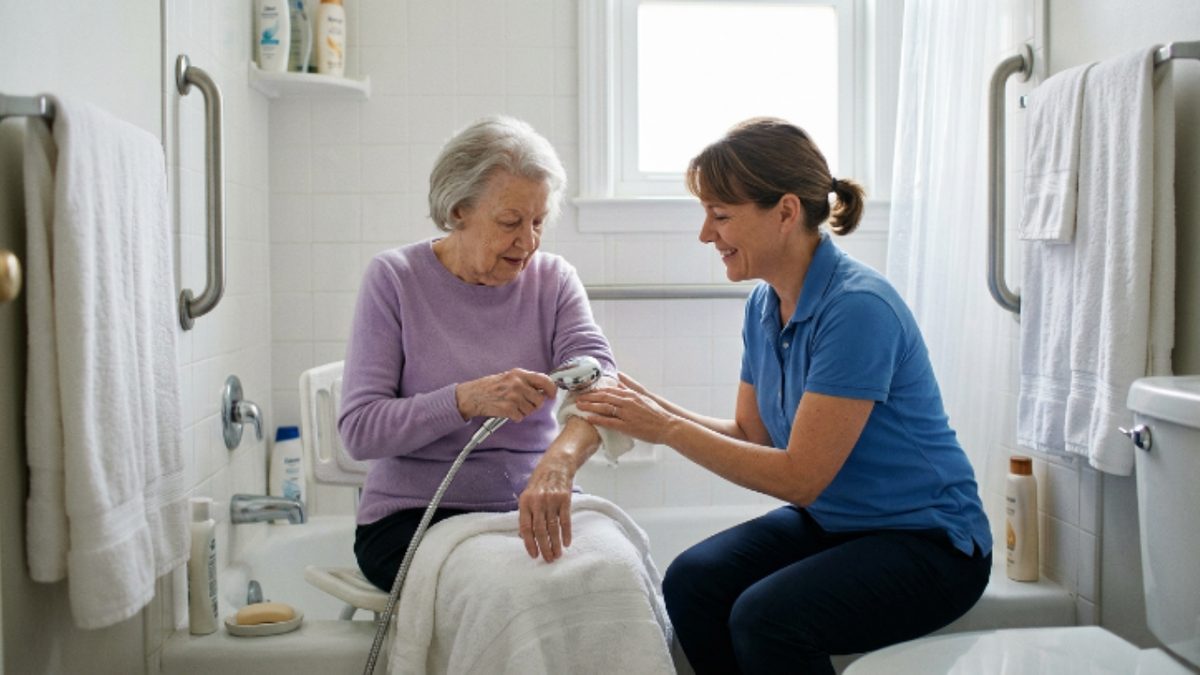
Personal care examples can include helping someone wash areas they cannot reach, assisting with dressing, supporting hair care or shaving, and helping with oral hygiene. When toileting support is needed, privacy and dignity should always be respected. Assistance may also be required when getting safely into or out of a bath or shower. The aim is to provide the right level of help while allowing the person to make their own choices.
Which Personal Care Tasks May Need Support
Personal care needs can change gradually. Someone who once managed every morning routine independently may later need help with one particular task, such as getting into the shower or fastening clothing.
A useful approach is to identify what the person can still do independently and what requires assistance. This prevents unnecessary dependence and allows support to be focused where it is genuinely needed. For people receiving care at home in Greater Manchester, this approach can help ensure that support is matched to their individual abilities and daily routines.
| Personal care task | Possible support | Independence focus |
|---|---|---|
| Washing | Help with areas that are difficult to reach | Let the person wash what they can |
| Bathing or showering | Support with entering, exiting and washing | Encourage safe participation |
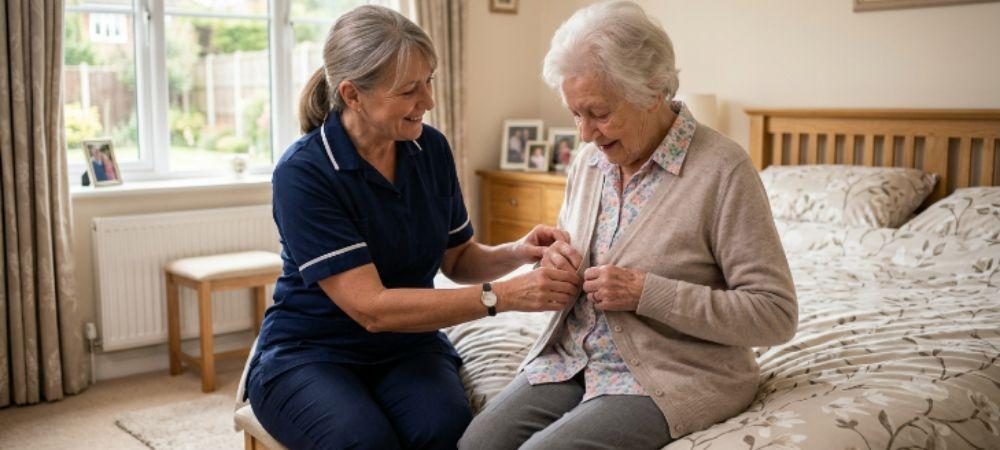
| Dressing | Help with fastenings or difficult clothing | Allow personal clothing choices |
| Grooming | Assistance with hair, shaving or skincare | Keep familiar routines |
| Toileting | Support with transfers and hygiene | Maintain privacy and dignity |
| Oral hygiene | Reminders or physical assistance | Encourage the person to participate |
When assisting with personal care, explain what you are doing before you begin. Ask permission, give choices and avoid rushing the person through their routine. At True Homecare, we encourage our carers to support clients with the tasks they can manage themselves while providing assistance where it is needed.
How Can You Support Hygiene Without Taking Away Independence
Good elderly hygiene care means keeping a person clean while also respecting their choices, comfort and dignity. Before helping, ask about their preferred routine, such as when they like to bathe, which toiletries they use or what clothes they prefer.
You can support independence by:
- Encouraging participation: Let the person complete tasks they can safely manage themselves.
- Protecting privacy: Close doors and curtains and keep the person covered whenever possible.
- Improving safety: Keep floors dry, provide suitable bathroom support and remove obstacles that could increase the risk of falls.
- Respecting choices: If they refuse help, remain patient and consider offering assistance later.
For people who need more regular support, live in home care can provide assistance with personal routines while helping them remain comfortable in familiar surroundings.
How Often Should an Older Person Bathe or Shower
There is no fixed showering frequency for seniors, as personal preferences, mobility, skin condition and daily activities can vary. Some people may prefer a daily shower, while others may feel more comfortable bathing every few days. Regular washing of the face, hands, underarms and other areas that become sweaty or soiled is still important. Very frequent bathing, especially with hot water, can cause dry or irritated skin, so warm water and gentle cleansing may be more suitable.
When bathing elderly person, safety should come before speed. Prepare towels, clothes and toiletries beforehand, keep the bathroom floor dry and provide support when needed. A professional carer can also help create a comfortable routine based on the person’s needs and preferences.
What Are the Signs That Someone Needs More Personal Care Support
Changes in hygiene habits can sometimes show that everyday tasks are becoming harder. Poor hygiene may appear when someone avoids bathing, wears the same clothes repeatedly, neglects oral care or struggles with grooming. Rather than assuming they are unwilling, consider what may be causing the change.
Signs to Look For
- Mobility difficulties: Getting dressed, bathing or reaching toiletries may have become challenging.
- Safety concerns: They may worry about falling in the bathroom or moving without support.
- Routine changes: They may take much longer to complete familiar personal care tasks.
- Emotional discomfort: They may feel embarrassed or uncomfortable asking for help.
Following guidelines for providing personal care means responding with patience and respect. Homecare for the elderly can provide practical assistance while helping the person maintain dignity and independence. At True Homecare, our carers can provide practical support when personal care routines become difficult, helping clients maintain their dignity and independence. This can be particularly valuable for people in Wilmslow who need support with personal care at home.
How Can Professional Personal Care Help at Home
Professional personal hygiene care for the elderly can provide practical assistance while allowing the person to remain in their familiar home environment.
Care may involve bathing and showering support, dressing and grooming assistance, or help with other daily routines. At True Homecare, we provide personal care around each client's individual needs, preferences and daily routine, with a focus on dignity, comfort and independence. Our carers can support clients across Cheshire East while helping them remain comfortable in their own homes.
How to Give Personal Care to the Elderly Respectfully
Knowing how to give personal care to the elderly starts with treating the person as an individual rather than a list of tasks.
A respectful routine should include:
- Explain what will happen. Tell the person what support you are providing before starting.
- Ask for consent. Give them opportunities to agree, refuse or request a change.
- Encourage participation. Let them complete any part of the task they can manage safely.
- Protect privacy. Keep the person covered wherever possible.
- Respect preferences. Follow their usual routines, choices and personal habits.
- Monitor comfort. Stop if they appear distressed or uncomfortable and reassess the situation.
Our carers at True Homecare follow a person-centred approach, giving clients choices and encouraging them to remain involved in their own personal care routines. For families who need more consistent assistance, at home personal care services can provide practical support without requiring the person to move away from home.
Working With Healthcare Professionals
At True Homecare, our carers understand the importance of working alongside appropriate healthcare professionals when a client's needs require additional support. Where appropriate, carers may work in collaboration with professionals such as GPs, district nurses and pharmacists to help ensure care remains suitable for the client's needs.
True Homecare also follows the Ethical Framework set out by Stockport Council, supporting a person-centred approach to care that respects dignity, choice and individual needs.
Bottom Line
Personal care for the elderly should protect hygiene without taking away dignity, choice or independence. Whether the need involves bathing, dressing, grooming or everyday hygiene, the best approach is patient, respectful and tailored to the individual. If your family needs practical support at home, True Homecare provides personalised care designed around each client's needs and routine, helping people remain comfortable and independent in familiar surroundings.
Frequently Asked Questions
What is personal care for the elderly?
It involves supporting someone with everyday activities such as washing, bathing, dressing, grooming and toileting. The purpose is to help a person maintain hygiene, comfort and dignity while preserving as much independence as possible. The level of assistance should reflect the person's individual abilities and preferences.
How often should an elderly person shower?
There is no fixed showering schedule that suits everyone. Showering frequency for seniors can depend on personal preference, skin condition, mobility and daily activities. Regular washing of key areas remains important even when a full shower or bath is not taken every day.
What are examples of personal care?
Personal care examples include bathing, showering, dressing, grooming, toileting and oral hygiene. Assistance may range from simple reminders to hands-on support. The person should still be encouraged to complete any part of the routine they can safely manage.
How can assisting with personal care protect independence?
Assisting with personal care can protect independence when support is limited to tasks the person cannot safely manage alone. Instead of doing everything for them, encourage participation wherever possible. This approach allows the person to maintain familiar skills and make decisions about their daily routine.
When should a family consider professional personal care?
Professional support may be appropriate when personal hygiene, bathing, dressing or toileting becomes difficult to manage safely. It can also help when family members are struggling to provide regular assistance alongside their own responsibilities. Live in home care may be considered when someone needs a greater level of support throughout the day and night.