Summary
- Double vision in older adults may result from ageing eyes, nerve problems, diabetes, or serious neurological conditions.
- Common symptoms include blurred sight, headaches, dizziness, tired eyes, and balance problems.
- Home adjustments and supportive care can improve safety, comfort, and independence for seniors.
- Sudden vision changes should always be checked quickly because they may signal a serious health problem.
Double vision is a common visual problem in older adults that can affect daily life. It makes simple tasks like reading and walking more difficult. Many seniors experience it due to age related changes in the eyes or underlying health issues. Sometimes it develops slowly, while in other cases it appears suddenly. It may be linked to weak eye muscles, nerve problems, or medical conditions. Early signs should never be ignored because they can worsen over time. Proper care and timely diagnosis help in manageing the condition effectively. Support at home can also improve comfort and safety for elderly individuals.
Understanding Double Vision in Seniors
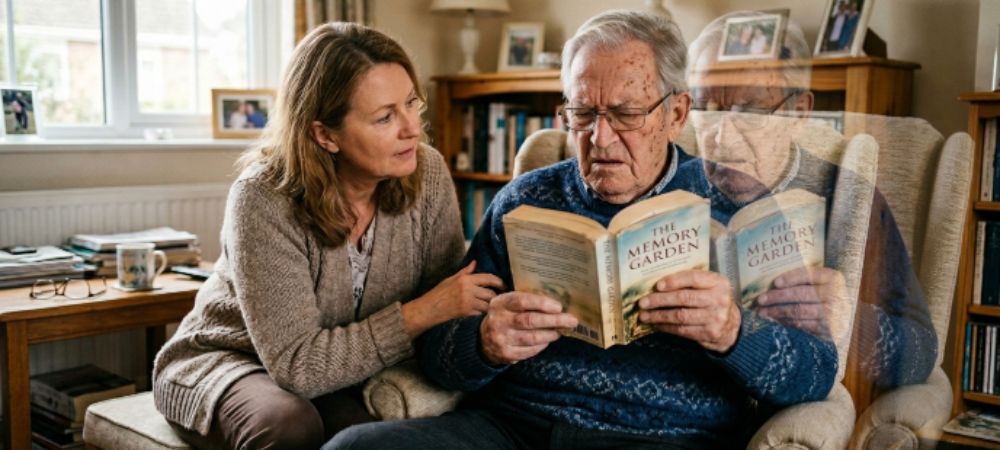
Vision changes become more common with age. Some older adults struggle with blurry eyesight or causes of double vision in elderly, while others begin seeing two images instead of one. This condition is known as diplopia.
Many families ask what is double vision and why it affects seniors more often. The condition develops when the eyes fail to work together properly. As a result, the brain receives two separate images.
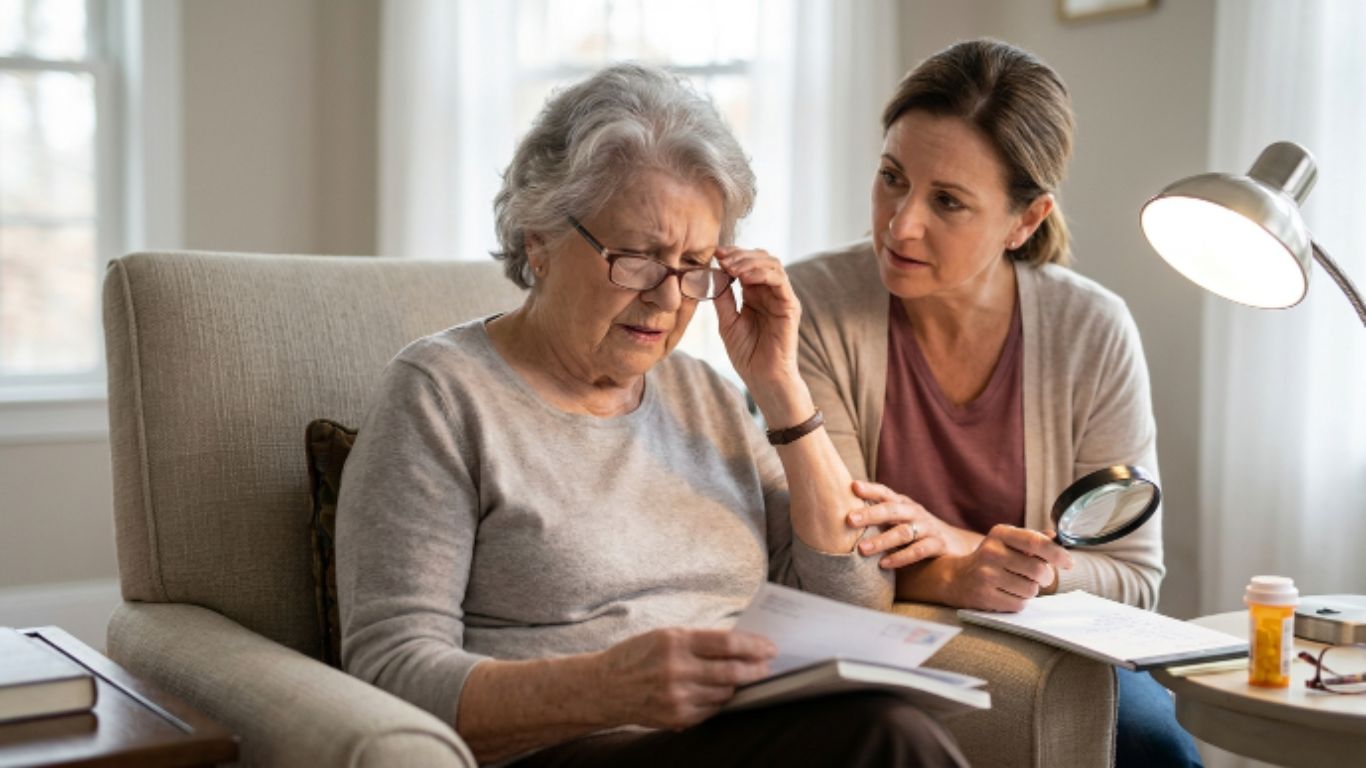
Double vision can interfere with daily life. Reading, walking, cooking, and climbing stairs may become difficult. Older adults may also lose confidence because of frequent visual confusion.
Common Symptoms Older Adults Experience
The symptoms of double vision are not always the same for every person. Some seniors only notice it when reading or watching television. Others struggle while walking or moving around the home.
Common signs include:
- Blurry or overlapping images
- Difficulty focusing on objects
- Eye strain and headaches
- Dizziness or balance problems
- Squinting to see clearly
- Trouble judging distance
- Nausea in severe cases
Some older adults also experience double vision tiredness after spending long hours reading, using screens, or staying awake for too long. Fatigue can place extra pressure on eye coordination and make symptoms more noticeable.
Major Causes Behind Double Vision
There are several possible causes of double vision in elderly adults. Some conditions are temporary, while others require long-term treatment.
Weakening Eye Muscles
One of the most common causes of double vision in seniors is ageing eye muscles. The muscles controlling eye movement become weaker over time, making it harder for both eyes to stay aligned.
This problem becomes more noticeable during reading or focusing on nearby objects.
Cataracts
Cataracts can create cloudy or duplicated images. Many seniors with cataracts also struggle with glare and poor night vision.
Diabetes
Diabetes may damage nerves connected to eye movement. Blood sugar problems can increase the risk of visual disturbances in older adults.
Stroke and Neurological Disorders
Some cases of sudden double vision in elderly people are linked to strokes or neurological conditions. Sudden symptoms should never be ignored, especially if they appear with weakness or difficulty speaking.
Head Injuries
Falls are common among seniors. Injuries affecting the head or eyes can disturb vision and coordination.
Medical Conditions Linked to Diplopia
Doctors often investigate medical conditions when diagnosing the causes of diplopia in elderly patients.
Thyroid Disorders
Thyroid related eye disease may affect the muscles surrounding the eyes and lead to visual problems.
High Blood Pressure
Poor blood circulation can damage the nerves responsible for eye movement.
Myasthenia Gravis
This condition weakens muscles throughout the body, including the eye muscles. Symptoms often become worse later in the day.
Weak Eye Muscles
Many older adults experience weak eye muscles because of natural ageing. This can reduce eye coordination and make vision unstable.
Families caring for seniors at home often benefit from professional seniors in home care support because caregivers can monitor symptoms and reduce safety risks.
Why Tiredness Can Make Symptoms Worse
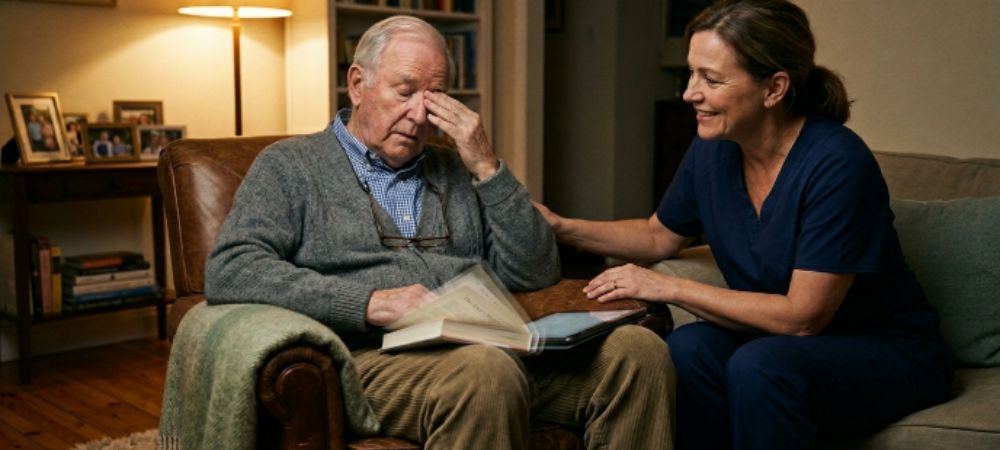
Fatigue affects both the eyes and the brain. Older adults who are tired often struggle to focus properly, especially during evening hours.
Many seniors report seeing double vision when tired after reading, watching screens, or missing proper sleep. Tired eye muscles may fail to maintain clear alignment.
Helpful habits include:
- Taking regular rest breaks
- Reducing long screen exposure
- Improving sleep quality
- Using proper lighting while reading
Simple lifestyle changes can reduce discomfort, although persistent symptoms should still be checked by a healthcare professional.
Some families also choose In-Home Companion Care services to support seniors who feel anxious or isolated because of ongoing vision problems.
Home Care Tips for Safer Living
Home care plays an important role in protecting seniors with vision difficulties. Small adjustments can improve both safety and comfort.
Improve Lighting
Bright and even lighting helps older adults focus more clearly. Hallways, bathrooms, and staircases should always remain well lit.
Remove Fall Hazards
Loose rugs, electrical wires, and clutter increase the risk of falls for seniors with visual confusion.
Monitor Medications
Certain medicines may affect eyesight or cause dizziness. Families should regularly review prescriptions with healthcare providers, ensuring proper senior medication management for safer outcomes
Encourage Regular Eye Exams
Routine eye examinations help identify vision problems before they become severe.
Natural Ways to Support Eye Health
Many families search for how to cure double vision naturally. Natural methods may support comfort and eye health, although they cannot replace medical treatment.
Healthy Diet
Foods rich in vitamins and antioxidants may support healthy vision. Seniors should include leafy vegetables, eggs, fruits, and fish in their meals.
Proper Hydration
Dry eyes may worsen visual discomfort. Drinking enough water can support overall eye health.
Gentle Physical Activity
Light movement improves circulation and posture in older adults. It helps reduce stiffness and supports balance. posture exercises for seniors can further improve body alignment and comfort..
Resting the Eyes
Frequent breaks during reading or screen use may reduce eye strain and fatigue.
When Emergency Medical Care Is Needed
Some symptoms require immediate medical attention. Families should never ignore sudden changes in vision.
Seek urgent care if double vision in elderly appears with:
- Severe headache
- Slurred speech
- Facial weakness
- Confusion
- Loss of balance
- Numbness in the body
Doctors may investigate what can cause double vision in elderly patients through scans, neurological tests, and detailed eye examinations.
Quick treatment often prevents complications and improves recovery.
Supporting Independence in Older Adults
Living with visual difficulties can affect emotional well-being and confidence. Many seniors fear losing their independence because daily tasks become harder.
Professional domiciliary home care services can help older adults continue living safely in familiar surroundings while receiving support with routines and mobility. Supporting a double vision in elderly person requires patience, reassurance, and consistent care.
long-term Management and Treatment
Manageing double vision in elderly adults depends on the underlying condition. Doctors may recommend several treatment options after identifying the root cause.
Possible treatments include:
- Corrective glasses
- Prism lenses
- Cataract surgery
- Blood sugar control
- Eye exercises
- Medication adjustments
Along with medical treatment, families also notice several benefits of home care for seniors dealing with ongoing vision problems. A supportive home environment can improve safety, reduce stress, and help older adults manage daily routines more comfortably.
The right treatment plan depends on the exact causes of double vision in the elderly and the senior’s overall health condition. Regular monitoring is important because symptoms may change over time.
Conclusion
Understanding the causes of double vision in elderly adults can help families respond quickly and provide better support. While some cases are linked to normal ageing, others may indicate serious health conditions that require medical care. Early diagnosis, proper treatment, and safe home environments can greatly improve quality of life for older adults experiencing visual problems.
If your loved one needs trusted support at home, True Homecare provides compassionate care services designed to help seniors live safely, comfortably, and independently.
FAQs
Is double vision common in older adults?
Yes. ageing, medical conditions, and nerve problems can increase the risk of double vision in seniors.
Can tiredness worsen double vision?
Yes. Fatigue may weaken eye coordination and make symptoms more noticeable.
Is sudden double vision dangerous?
Yes. Sudden symptoms may point to a stroke or neurological emergency and require immediate medical care.
Can double vision improve with treatment?
Many cases improve after treating the underlying condition or using corrective lenses.
Can home care support seniors with diplopia?
Yes. Home care improves safety, mobility, and emotional well-being for seniors living with visual difficulties.