
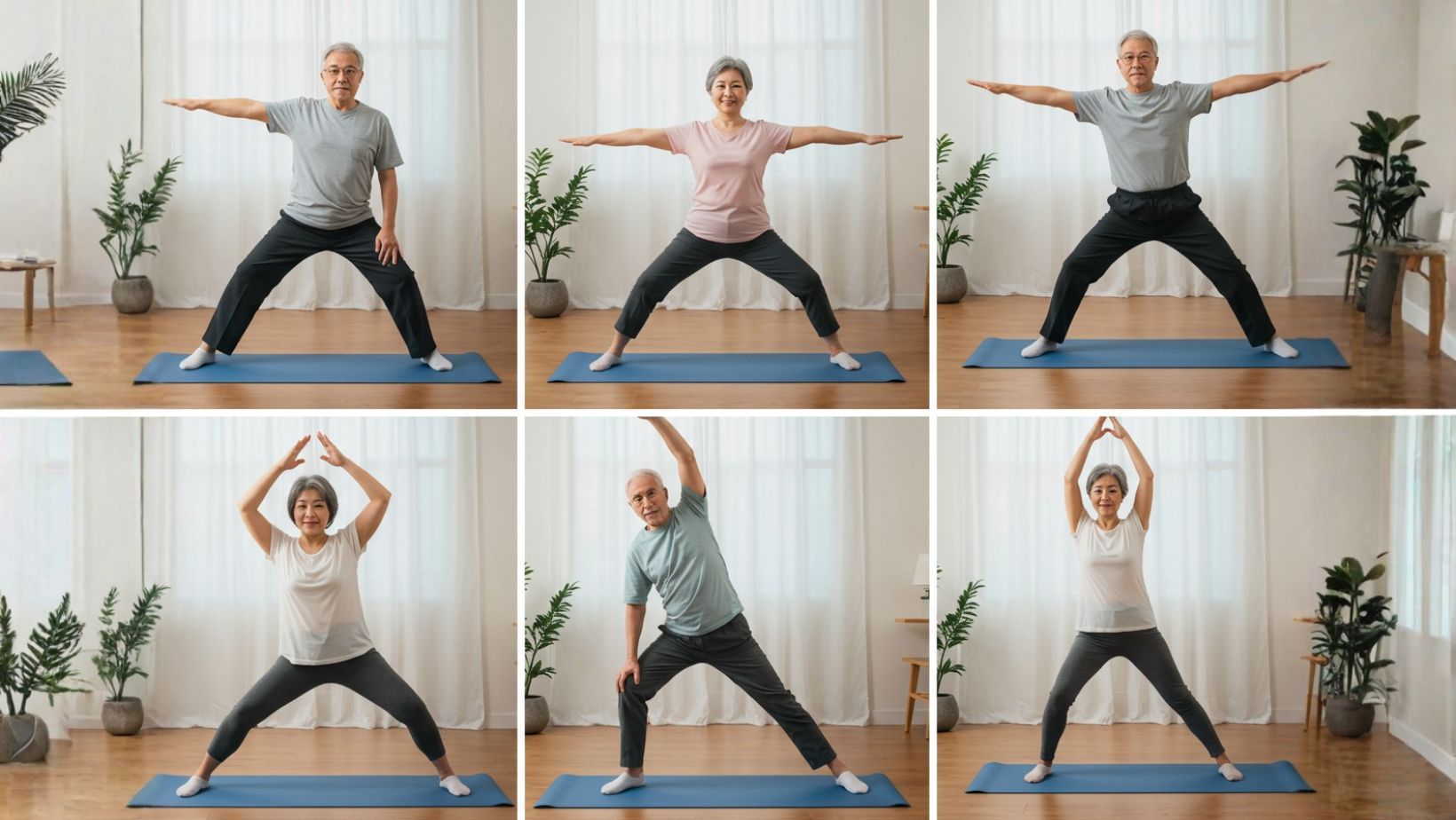
30 Seconds Summary
- Easy daily posture moves help your body feel better. Older adults can do small exercises like shoulder squeezes, wall angels, chin tucks, cat-cow, and seated back stretches at home.
- Small habits help a lot. Sit and stand straight, take short breaks, and use a good chair. These steps can help stop stooping in old age and keep your back strong.
- If you do these posture exercises for seniors three to five times a week, your back and neck may hurt less, and you will stand taller.
Introduction
Good posture helps you move better, feel stronger, and stay active as you age. In this simple guide, you will learn five easy posture exercises for seniors that can be done at home. They help with balance, back strength, and flexibility. We will also share small daily tips to help you get better posture exercise results and stay comfortable while sitting or moving.
Important Note: Only perform these exercises if you can do so safely and without risk of falls.
Why is Good Posture Important in Old Age?
As we grow older, we move a little slower, and our muscles get weaker. It is normal. But poor posture can make this worse.
When you slouch or bend forward a lot, it can cause back and neck pain. You might also feel stiff or lose balance. That is why doing simple posture exercises for seniors helps so much. They keep your spine strong and your body aligned.
Good posture can:
- Reduce aches and tiredness
- Help you breathe better
- Make walking and moving easier
- Even lifts your mood a little
You don’t have to go to the gym, as these postural exercises for elderly people can be done right at home, even while watching TV or listening to music.
Benefits of Better Posture
Having good posture helps your body stay strong and healthy as you get older. When posture is poor, joints can move out of line, it gets harder to move, and the chance of falling becomes higher.
Doing simple posture exercises for seniors can help you feel more active and free. Adding them to your weekly routine can bring many good changes, such as:
- Better balance: Standing and sitting straight helps lower the risk of falls. It also makes it easier to move around safely.
- Less pain: Gentle posture moves can ease back and joint pain that comes from sitting or slouching too long.
- Easier movement: A strong and flexible body helps you bend, stretch, and walk more easily.
- More energy every day: Good posture helps you feel steady and independent, so daily tasks feel lighter and more comfortable.
Simple Tips
Before you begin your exercises to improve posture for seniors, here are a few things to remember:
- Go slow. Move at your own pace.
- Use a chair or wall if you need extra balance.
- Wear comfy clothes so your body can move easily.
- Take deep breaths as you stretch or hold a position.
If you feel any sharp pain, stop. It is okay to rest and try again later.
Top 5 Posture Exercises for Seniors to Do at Home
These postural exercises for seniors are gentle, safe, and need no special tools. Try doing them 3-4 times a week.
-
Shoulder Blade Squeeze
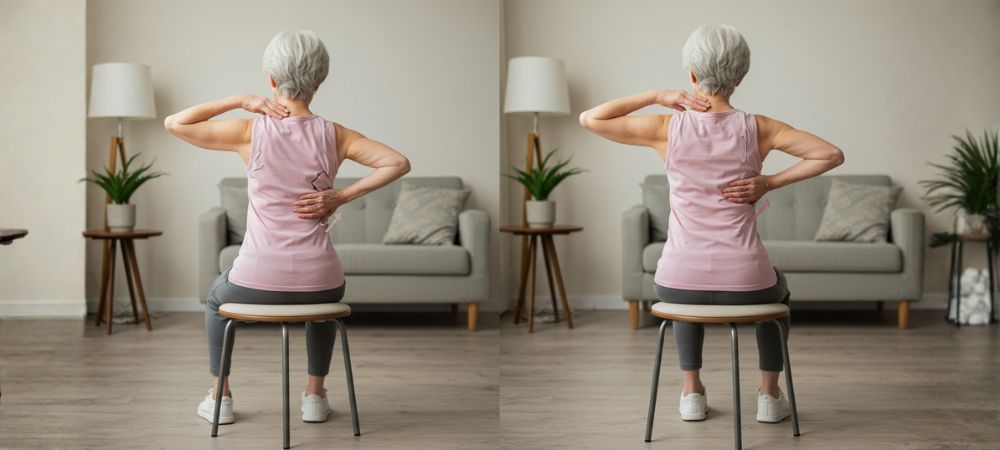
This one helps strengthen your upper back and keeps your shoulders open.
How to do it:
- Sit or stand tall.
- Relax your shoulders.
- Slowly pull your shoulder blades together (like you’re trying to hold a pencil between them).
- Hold for 5 seconds, then relax.
Do this 10 times.
It is one of the easiest back exercises for poor posture, and it can also stop you from stooping as you age.
Tip: If your shoulders feel tight, try gentle arm circles before you start.
-
Wall Angels
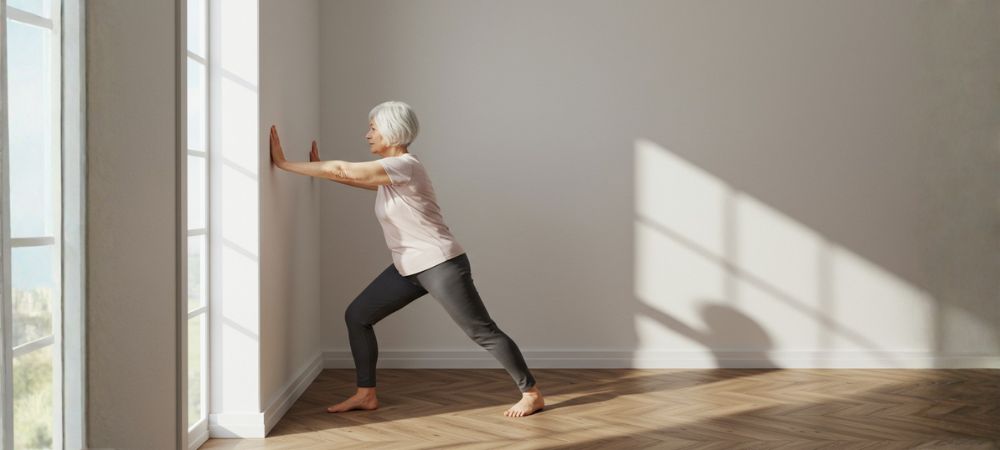
This simple move opens your chest and strengthens your back.
How to do it:
- Stand with your back flat against a wall.
- Keep your feet a few inches away from it.
- Raise your arms to shoulder height and bend your elbows like a “goalpost.”
- Slowly slide your arms up the wall, then bring them down again.
Do this 10 times.
It may feel strange at first, but it is a great exercise for an elderly person who spends a lot of time sitting. It helps keep your back straight and shoulders relaxed.
-
Chin Tucks
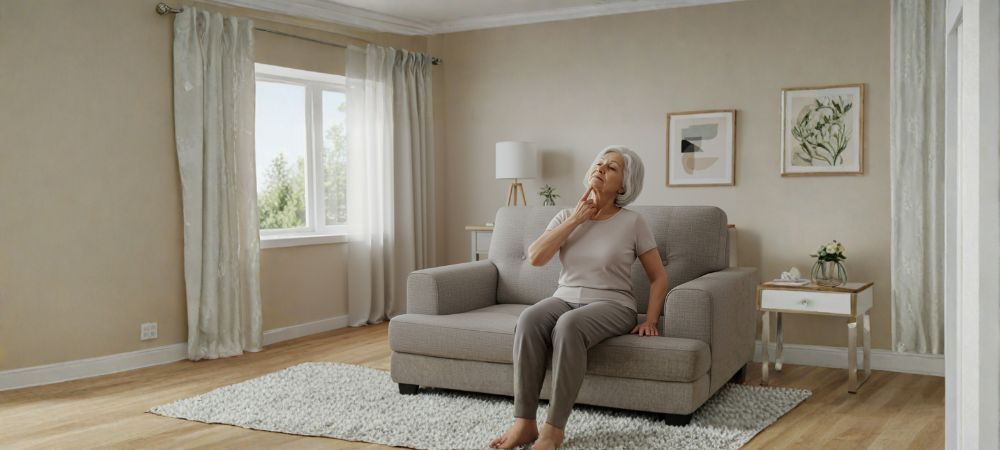
Chin tucks help with neck strength and posture, especially if you use a phone or tablet often.
How to do it:
- Sit or stand straight.
- Look forward.
- Gently pull your chin back, like making a double chin.
- Hold for 3–5 seconds, then relax.
Repeat 10 times.
This posture exercise for seniors keeps your neck in line and eases shoulder tension. It is also helpful for anyone learning how to keep posture while sitting at a desk.
-
Cat-Cow Stretch
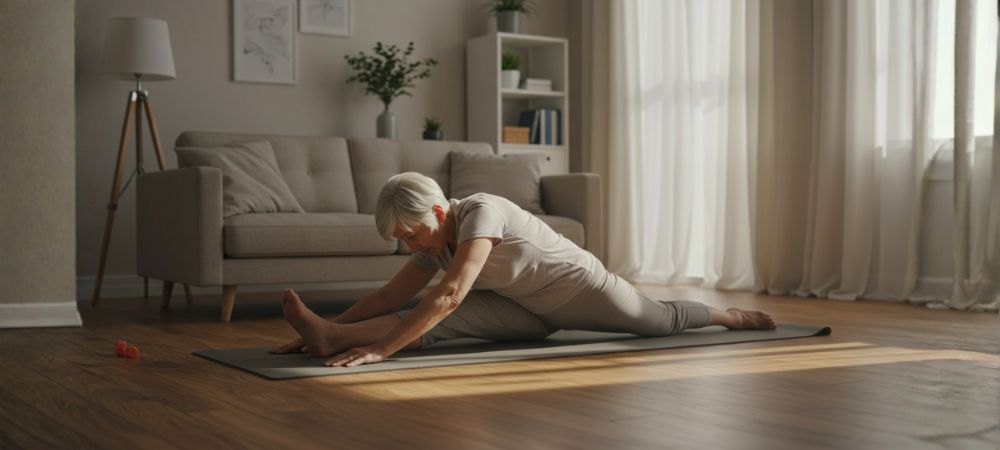
This gentle stretch keeps your spine flexible. It is also known to help with stiffness in the lower back.
How to do it:
- Get on your hands and knees.
- As you breathe out, round your back like a cat.
- As you breathe in, lift your chest and tailbone like a cow.
Repeat 10 times.
It is one of the most relaxing lower back posture exercises and is great for improving blood flow in the spine.
If getting on the floor is hard, you can do a seated version; just bend forward and then arch your back while sitting.
-
Seated Back Extension
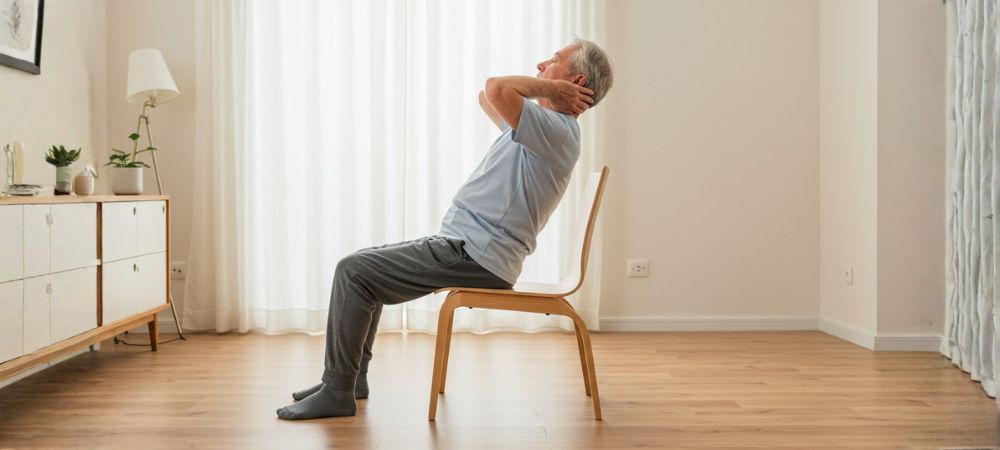
This one is perfect if you want something easy while sitting. It strengthens your spine and lower back.
How to do it:
- Sit tall in a chair.
- Place your hands on your lower back.
- Slowly lean backward and look up slightly.
- Hold for 3–5 seconds, then return to the start.
Do this 8–10 times.
If you stay seated for long hours, this is a great way to get better posture exercise to reduce stiffness.
If you live alone and want someone to keep you company during exercise time, you can opt for In-Home Companion Care from True Homecare. Having a friendly companion nearby can keep you active and motivated.
How to Keep Good Posture Daily?
Doing exercises helps, but small daily habits matter too.
How to prevent stooping in old age? Try these tips at home:
- Stand tall. Imagine a string pulling your head up.
- Don’t slouch. Keep your shoulders back and chest open.
- Take breaks. Move around every 20 minutes.
- Use good chairs. Choose ones that support your back.
- Sleep smart. Use a pillow that keeps your neck straight.
These small changes can make a big difference and help with stooping, which is common when muscles weaken over time.
If you prefer to stay seated, try these Best Chair Exercises for Seniors. These are gentle, safe, and ideal if you have limited mobility.
Get in Touch with True Homecare for Extra Help When You Need It
Sometimes, posture problems come with other challenges, like memory loss or loneliness.
For seniors with dementia or Alzheimer’s, regular activity and gentle posture stretches can help reduce stiffness and anxiety. True Homecare’s Alzheimer’s Care Services can help make that part of your daily routine safely.
FAQs
Q: How often should seniors do posture exercises?
A: Seniors should try doing them three to five times a week. A few minutes daily works even better.
Q: Can posture really improve at an older age?
A: Yes, simple postural exercises for seniors can strengthen your back and make you stand taller over time.
Q: What if I have arthritis or joint pain?
A: If you have arthritis or joint pain, you should try to move slowly and skip any position that hurts. You can even try gentle stretches or chair-based moves.
Q: Do I need special equipment for posture exercises?
A: No, most posture exercises for seniors use only your body weight and a chair or wall.
Q: How long before I notice improvement?
A: You may feel a bit looser within a week. Better posture and balance usually show after 3-4 weeks of regular exercise.
Over to You
You don’t need to do all posture exercises for seniors to feel a difference. Just start with one or two from this list. Stay steady, keep breathing, and move a little each day.
Your back will thank you. Your body will feel lighter. And you will stand taller, with confidence and comfort.
If you would like gentle support or company while you build your new routine, check out In-Home Companion Care from True Homecare today.
Contact us at 01614 281 989 to see how we can help.
Related Posts
-

How to Persuade Aging Parents Who Refuse Help to Get Home Care Support
30 October, 2025
-
How to Handle Senior Medication Management: Caregiver Tips
15 October, 2025