
30 Seconds Summary
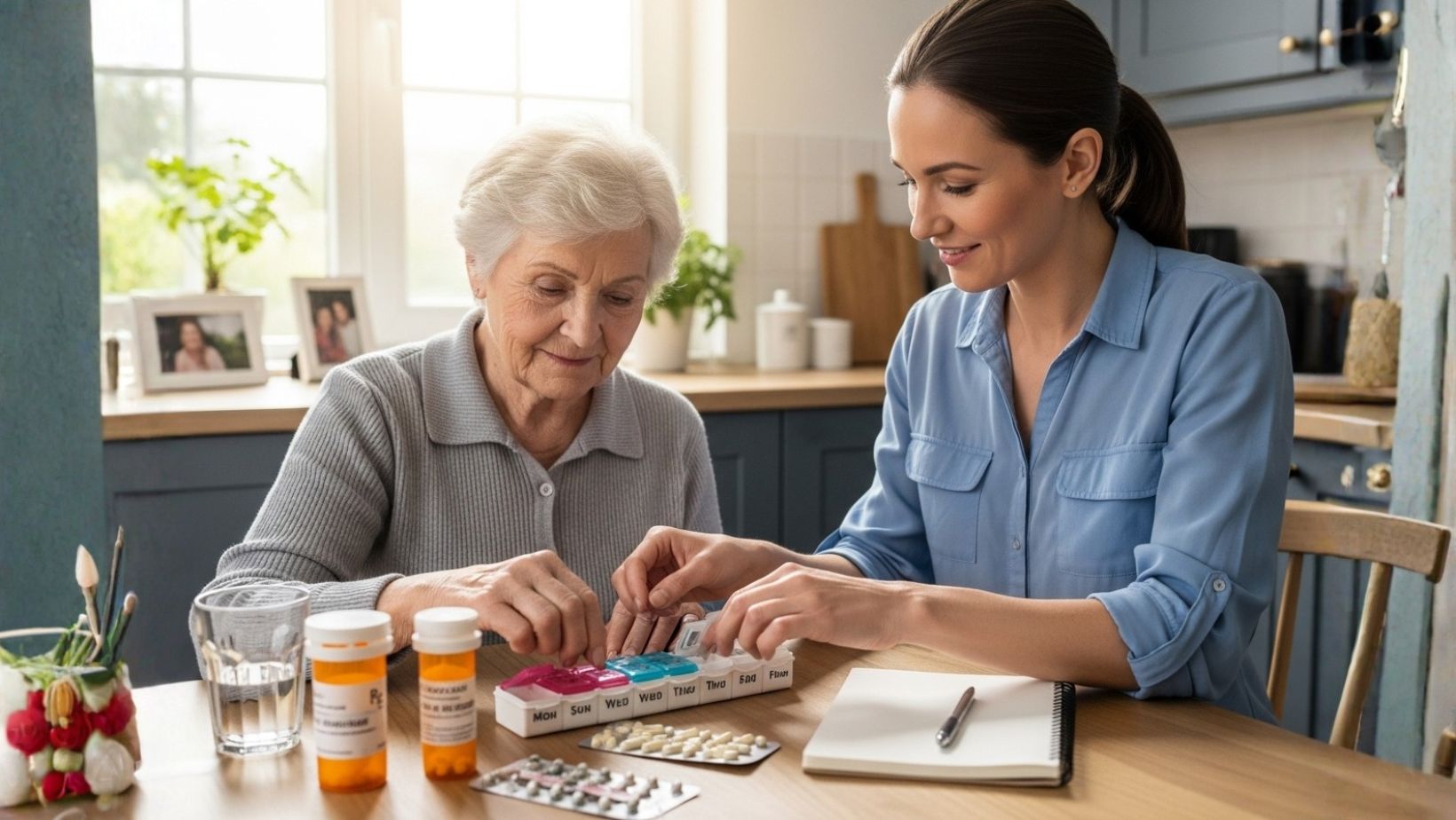
- Managing medicines properly helps seniors stay healthy, safe, and independent at home.
- Common problems arise due to memory loss, confusion, or handling many prescriptions at once, but these can be managed with the right plan.
- Caregivers can use simple tools like pill organisers, reminders, and clear medication lists to avoid mistakes.
Why is Medication Management for Seniors Important?
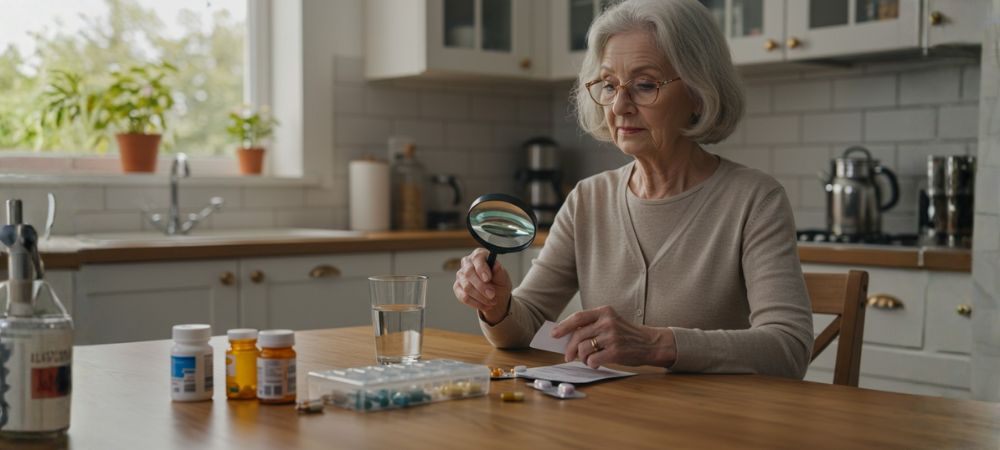
Keeping track of meds for old people is not easy, since many seniors take multiple prescriptions daily, either for heart health, diabetes, arthritis, or parkinson’s.
Taking the right medicine in the right way is very important for staying healthy. Good senior medication management helps keep people safe, avoid mistakes, and make sure medicines work as they should.
When medicines for older people are managed well, it helps prevent problems like taking the wrong dose, mixing up tablets, or missing a dose. It also reduces the risk of adverse reactions and prevents your loved one from requiring additional hospital visits.
Common Challenges in At-Home Medication Management
Before we explore the tips for elderly medication management, it is essential to consider the various challenges individuals face.
- Memory problems
It’s common for seniors to forget if they have already taken a dose. This can lead to missed or double doses, which is one of the most frequent errors in medication management for seniors.
- Vision and hearing loss
Reading small labels or hearing instructions from the doctor can be hard for many individuals. This can cause confusion about what to take and when.
- Multiple prescriptions
When different specialists prescribe different medicines, it can be difficult to keep track. This raises the chance of taking the same medicine twice or mixing drugs that should not be taken together.
- Physical limitations
Some clients struggle to open bottles, split tablets, or use items such as eye drops, insulin pens, or inhalers. These small tasks can become big challenges, especially for people with arthritis or weak grip strength.
- Confusion about timing
Taking the right pill at the wrong time can reduce its effect or cause side effects. Timing mistakes are common in at-home medication management, particularly when multiple medications are taken daily.
- Dosing mistakes
Using the wrong amount, i.e., too much or too little, can lead to health problems. Clear labels and simple routines can help avoid these mix-ups.
If you are facing such challenges, you are definitely not alone. But with a clear plan and the right support, everything can be managed safely.
At True Homecare, our elderly home care services are designed to make daily life easier for you and your loved ones. Our trained caregivers can help with medication reminders, organise doses, and make sure each medicine is taken safely and on time.
Tips for In-Home Medication Management for Seniors

Here are some simple tips and tricks that can make managing medicines for older people easier and safer.
-
Keep a Master Medication List
You should start by creating one clear list of all the medicines for older people in your care; this includes prescriptions, vitamins, herbal supplements, or anything bought from a pharmacy.
Write down:
- Medicine name (both the brand and the generic version)
- Dosage and timing (for example: one tablet, twice a day)
- Purpose (why is it taken, e.g., for blood pressure, diabetes, or pain relief)
- Prescribing doctor and contact details
- Possible side effects to watch for
Keep a printed copy in a safe but visible spot, like on the fridge or in a care folder. Bring it to every GP visit or hospital appointment so the care team has an updated record. Many caregivers also keep a digital copy on their phone for emergencies, which can be a real time saver.
Remember to update the list each time a new prescription or dosage change occurs. This small habit can prevent confusion and serious medication errors.
-
Use a Pill Organiser
A pill organiser is one of the best tools for medication management for seniors. Choose one that has separate slots for each day and each time, i.e., morning, afternoon, evening, and bedtime.
If your loved one takes many pills, use larger boxes with clear labelling. Some caregivers even colour-code the compartments or write simple notes like “before breakfast” or “after dinner.”
You should refill the organiser once a week, ideally on the same day each week. Use your medication list to make sure each pill goes in the right place.
-
Link Medicine Time with Daily Routines
Creating a routine makes life much easier for both you and your loved one. Try to link medicine times with everyday activities. For example:
- Take morning tablets right after brushing teeth.
- Keep evening pills near the bedside lamp.
- Take vitamins with breakfast.
By tying medication to familiar moments in the day, you are less likely to miss a dose. This approach is especially helpful for clients with memory problems, as the habit becomes automatic over time.
-
Set Alarms and Reminders
Technology can be a big help in in-home medication management. Use phone alarms, smart speakers (like Alexa or Google Home), or even a simple kitchen timer to remind your loved one when it is time for medicine.
Some medication apps can also send alerts for refills, helping you plan before the supply runs low.
-
Plan for Refills Early
Running out of meds for old people can be dangerous, especially for those with long-term conditions like heart disease or diabetes.
Keep an eye on the refill dates; most prescription labels show how many refills are left.
-
Watch for Side Effects and Changes
Always pay attention to how your loved one feels after starting or changing a medicine. Watch for signs such as:
- Drowsiness
- Dizziness or confusion
- Nausea
- Swelling or rash
These can sometimes mean the dose is too high, or that two medicines are interacting.
In these cases, never stop the medication on your own. Instead, speak to the GP or pharmacist immediately.
-
Use Visual and Verbal Reminders
For clients with memory loss or dementia, simple tools and strategies can make a huge difference. Such as:
- Place sticky notes where they can be seen, i.e., on mirrors, kitchen tables, or near the kettle.
- Use bold colours or large writing to grab attention.
Sometimes, gentle verbal reminders work better than constant instruction.
-
Store and Label Medicines Safely
Always keep medicines for the elderly in their original packaging unless they’re placed into a labelled pill box.
Store medicines in a cool, dry spot; away from direct sunlight or moisture.
If your loved one has dementia, you should try to limit access to only the day’s medicines to prevent accidental overdosing. Keep extra supplies in a locked drawer or cupboard.
Use clear labels such as “Morning Only,” “For Pain,” or “Take with Food.” Some caregivers also mark bottles with coloured stickers for easy identification.
-
Involve the Pharmacy and GP
Pharmacists play an important role in your care team. They can check for drug interactions, explain side effects, and even help you split tablets or find liquid alternatives if swallowing is hard.
-
Ask for Professional Help
If managing multiple elderly medications becomes too stressful, don’t hesitate to ask for help. Professional caregivers, like those at True Homecare, are trained to provide medication management services for seniors safely.
Our care team can organise pill boxes, track dosages, spot side effects early, and coordinate with GPs and pharmacists, giving you peace of mind and more quality time with your loved one.
Remember, you don’t have to do it all alone. Getting help with ageing parents isn’t a sign of weakness; rather, it is a step towards safer, calmer care at home.
How True Homecare Provides Supports?
We know that managing medications for older adults can be stressful for their families as well. That is why we support both clients and their loved ones.
Our domiciliary home care services include:
- 24-hour support, including waking nights and sleeping nights
- Assistance with personal care services at home
- Help with medication reminders and safe storage
- Taking clients out for GP visits, hospital check-ups, or even relaxing walks in the park
- Emotional support and companionship
FAQs
Q: What are the most common medications for elderly clients?
A: Common prescriptions include those for heart health, blood pressure, diabetes, arthritis, and pain relief. These are often the most common medications for the elderly.
Q: How are medications managed in a care home?
A: In care homes, staff use secure systems to store and record every dose given. Each medicine is checked, logged, and administered under trained supervision.
Q: What should I do if my loved one refuses to take their medicine?
A: If your loved one refuses to take their medicine, you need to stay calm and try to understand why. Some dislike the taste or fear side effects. You can also involve their GP or pharmacist, who might suggest an alternative form, like a liquid or patch.
Q: When should I contact a doctor about side effects?
A: If you notice confusion, dizziness, or extreme sleepiness after a new medication, contact the GP immediately. Never adjust doses without advice.
Over to You
With these tips, a clear routine, and professional support, you can make senior medication management easier and stress-free.
We, at True Homecare, are here to support both you and your loved ones.
Call us today at 0161 428 1989 or visit our website to learn how we can make daily medication care simpler and safer for your loved ones.
Related Posts
-

How to Persuade Aging Parents Who Refuse Help to Get Home Care Support
30 October, 2025
-
Top 5 simple Posture Exercises for Seniors to Do at Home
30 October, 2025